
Get Rough Plumbing Installation
Rough plumbing installation services involve local contractors handling pipe setup, repairs, or replacements for projects like new construction, renovations, or emergency fixes.
Rough plumbing installation is a crucial step in many property projects, whether you're undertaking a new construction, remodeling an existing space, or upgrading your plumbing infrastructure. Property owners in the area often explore these services to ensure their plumbing systems are correctly planned and implemented, helping to prevent future issues and ensuring the smooth operation of water and waste management. If you’re considering a plumbing project, understanding your options and connecting with experienced local contractors can make the process more straightforward and informed.
By exploring rough plumbing installation services, property owners can compare local contractors who specialize in these foundational tasks. Finding the right service providers can support your project’s success, whether you need new plumbing lines, system upgrades, or modifications to existing infrastructure. Keep reading to learn more about how local professionals can assist with your plumbing needs and help you plan your next project effectively.
- Rough Plumbing Installation - when remodeling a bathroom or kitchen that requires new water supply lines.
- Pipe Replacement - if existing pipes are corroded, leaking, or causing low water pressure.
- Fixture Rough-Ins - during new construction or renovation projects that need plumbing fixtures installed before finishing.
- Emergency Pipe Repairs - in cases of burst or leaking pipes that need immediate attention to prevent water damage.
- Water Line Installation - when connecting a new appliance or upgrading to a higher-capacity water supply system.
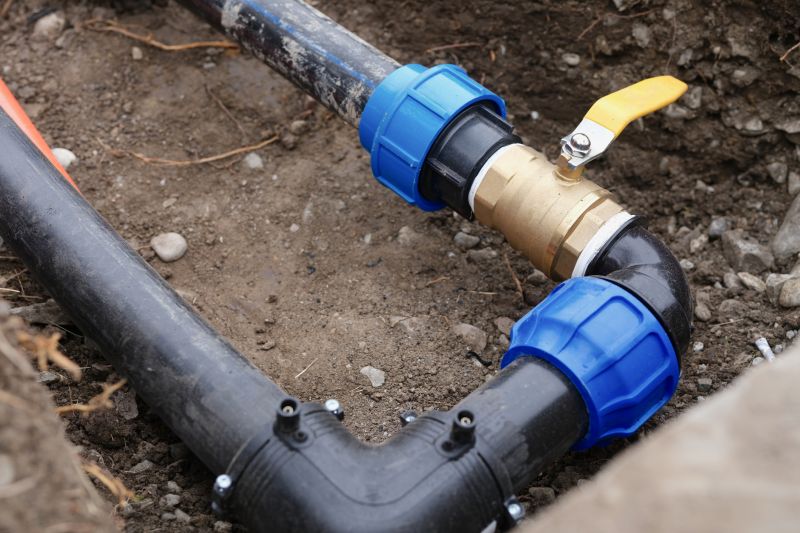
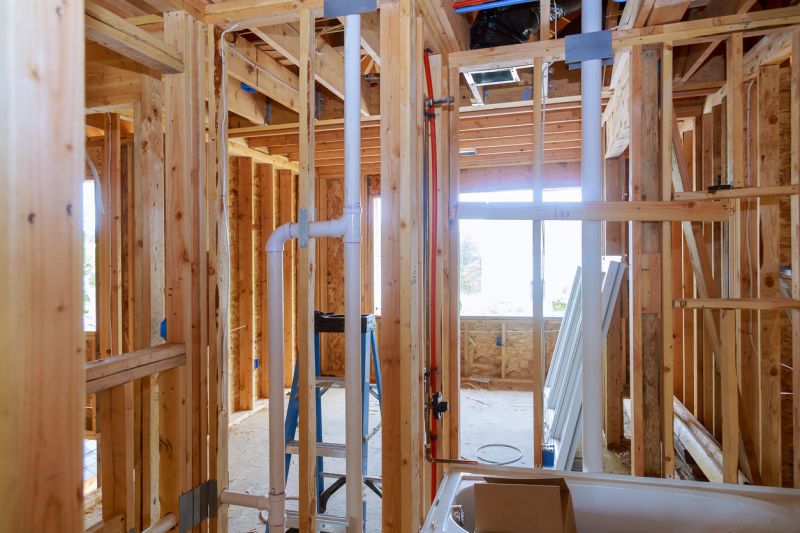
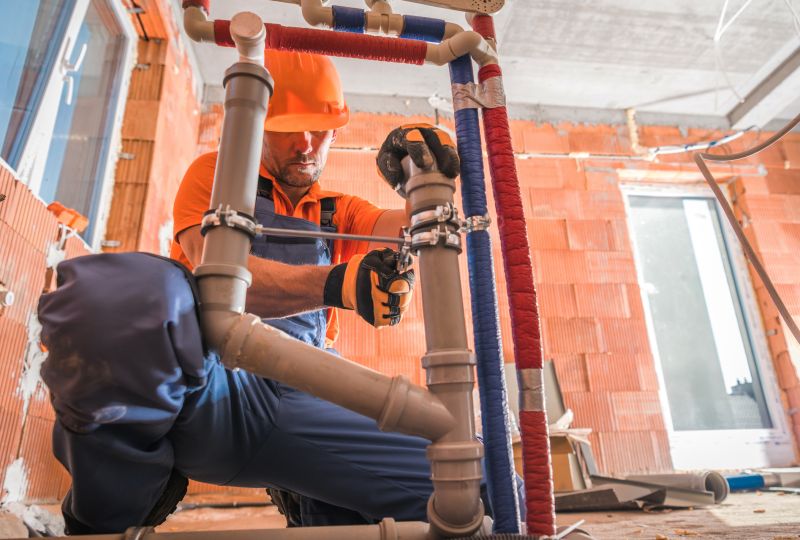
Rough plumbing installation involves setting up the primary water supply lines and drain pipes within a property. This service is essential during new construction projects, major renovations, or when replacing outdated plumbing systems. Skilled service providers assess the property’s layout, determine the best routes for pipes, and install the necessary infrastructure to ensure reliable water flow and drainage. Proper installation at this stage helps establish a foundation for a functional plumbing system that can support fixtures such as sinks, toilets, and appliances.
This service helps address common plumbing issues that arise from poorly installed or aging pipework. Improperly installed rough plumbing can lead to leaks, low water pressure, or drainage problems that may cause water damage or costly repairs over time. By ensuring that pipes are correctly positioned and securely fitted, professional contractors help prevent future plumbing failures. This proactive approach can save homeowners from disruptive repairs and ensure that the entire plumbing system functions efficiently and safely.
Rough plumbing installation is typically used in a variety of property types, including new residential homes, apartment complexes, commercial buildings, and renovations of existing structures. It is a crucial step in any project that involves significant interior work, such as kitchen or bathroom remodels. Homeowners planning to build a new house or upgrade their current plumbing system often seek out local service providers who specialize in this type of work to ensure the foundational elements are correctly set up before finishing fixtures and fittings are installed.
Homeowners might need rough plumbing installation services when constructing a new property, undertaking a major remodel, or replacing outdated or damaged pipes. Recognizing signs such as persistent leaks, low water pressure, or frequent clogs can indicate that the existing plumbing system requires professional attention. Connecting with experienced local contractors can help ensure that the plumbing infrastructure is properly installed, compliant with building codes, and prepared to support the household’s daily water needs effectively.
The overview below groups typical Rough Plumbing Installation projects into broad ranges so you can see how smaller, mid-sized, and larger jobs often compare in your area.
In many markets, a large share of routine jobs stays in the lower and middle ranges, while only a smaller percentage of projects moves into the highest bands when the work is more complex or site conditions are harder than average.
Smaller Repairs - typical costs for routine plumbing repairs like fixing leaks or replacing fixtures generally range from $150 to $600. Many common jobs fall within this middle band, though prices can vary based on the specific issue and location.
Fixture Installations - installing new sinks, toilets, or faucets usually costs between $250 and $800. Local contractors often complete these projects efficiently within this range, with larger or more complex installs reaching higher prices.
Full Plumbing Replacements - replacing existing plumbing systems can cost from $2,000 to $5,000 or more for larger homes or extensive work. Most projects fall into the lower to mid part of this range, while very extensive upgrades may push into higher tiers.
Major Renovation Projects - comprehensive plumbing overhauls for remodels or additions typically range from $5,000 to $15,000+. These larger projects are less common but are handled by local pros for complex or high-end renovations.
Actual totals will depend on details like access to the work area, the scope of the project, and the materials selected, so use these as general starting points rather than exact figures.
Bathroom Plumbing Remodels - involves installing and updating water supply lines, drainage, and fixtures, requiring similar planning and pipe fitting skills as rough plumbing projects.
Kitchen Plumbing Installations - includes running new water lines and drain pipes for sinks and appliances, utilizing the same expertise in pipe layout and system setup as rough plumbing work.
Water Heater Installation - requires knowledge of water supply systems and pipe connections, aligning closely with the skills needed for rough plumbing installation.
Slab Leak Repairs - involves locating and repairing leaks within underground pipes, demanding similar skills in pipe inspection, planning, and repair as rough plumbing projects.
Drainage System Installations - entails laying out and connecting drain pipes for proper waste removal, paralleling the planning and pipe fitting aspects of rough plumbing.
Fixture Replacement and Upgrades - includes disconnecting old fixtures and installing new ones, often requiring familiarity with the plumbing infrastructure established during rough plumbing services.
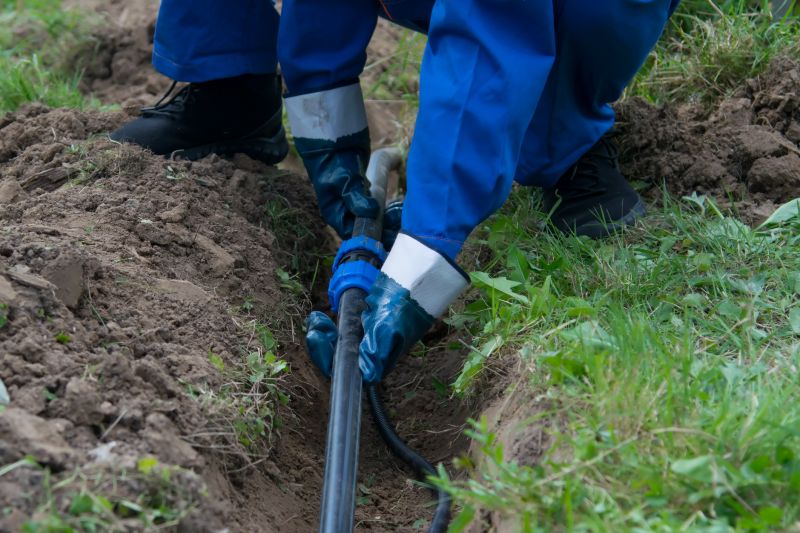
When comparing local contractors for rough plumbing installation, it’s important to consider their experience with similar projects. Homeowners should seek out service providers who have a proven track record of handling jobs comparable in scope and complexity. This helps ensure that the contractor understands the specific requirements involved in rough plumbing work and can deliver results that meet expectations. Asking for examples of past projects or verifying the types of installations they have completed can provide valuable insight into their expertise and familiarity with the work at hand.
Clear, written expectations are essential when evaluating potential service providers. Homeowners should aim to receive detailed descriptions of the scope of work, materials to be used, and the projected process for the installation. Having this information in writing helps prevent misunderstandings and ensures that both parties are aligned on what the project entails. Reputable local contractors typically communicate openly about their approach, providing documentation or estimates that outline what will be done, which can serve as a useful reference throughout the project.
Good communication and reputable references are key indicators of a reliable service provider. Homeowners are encouraged to ask for references from previous clients who had similar work completed, and to inquire about their experience working with the contractor. A contractor’s responsiveness, clarity in explanations, and willingness to address questions can also reflect their professionalism and commitment to customer service. While the site introduces homeowners to local options, it’s important to remember that the actual work will be performed by qualified service providers, making thorough communication and verified references valuable tools in selecting the right partner for rough plumbing installation.
Property owners use Rough Plumbing Installation services for practical projects around their homes and businesses. This guide focuses on everyday jobs and straightforward project options.
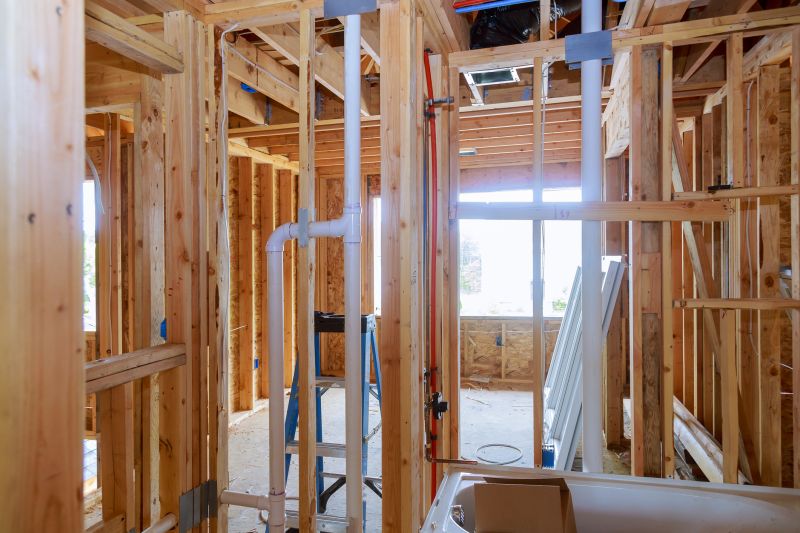
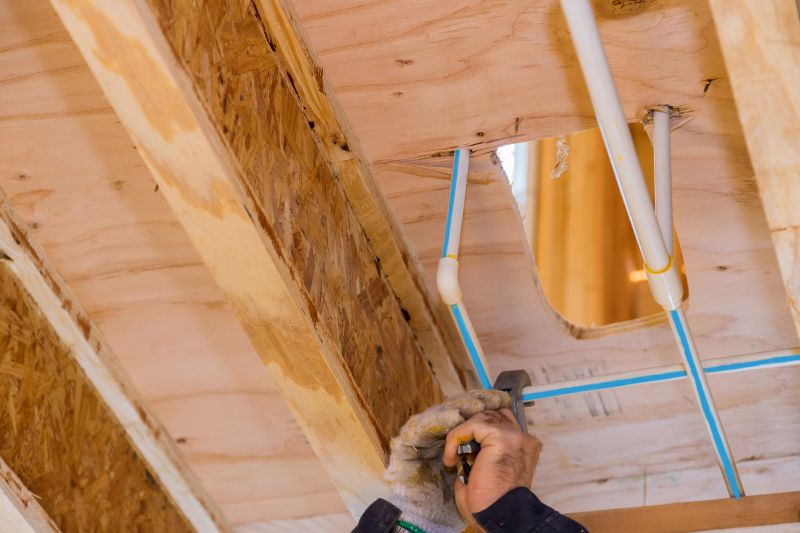
Rough plumbing installation services are often needed during major home renovations, new construction projects, or when replacing outdated pipes and fixtures. Property owners in the area may seek out local contractors to handle tasks like installing new water lines, setting up drainage systems, or upgrading existing plumbing infrastructure to improve functionality and prevent future issues. These projects typically require skilled hands to ensure proper setup and reliable performance, making it important to find experienced local professionals.
In addition to new builds and renovations, property owners might look for rough plumbing services when addressing leaks, pipe damage, or planning for future upgrades. Local service providers can assist with the initial installation phases, ensuring that plumbing systems are correctly positioned and prepared for finishing work. Connecting with qualified local contractors can help ensure that these foundational aspects of plumbing are handled efficiently and to standard, supporting the overall integrity of the property.
What does rough plumbing installation include? Rough plumbing installation involves setting up the initial water supply and drainage pipes within a building before walls and fixtures are installed.
Why should I hire local contractors for rough plumbing? Local contractors have experience with area codes and building standards, ensuring proper installation tailored to your location.
How do I know if my plumbing needs to be replaced or repaired? A professional can assess the condition of existing pipes and determine if repairs are sufficient or if a full replacement is necessary.
What materials are commonly used for rough plumbing installation? Common materials include PVC, copper, and PEX piping, depending on the project requirements and local building codes.
Can rough plumbing installation be customized for different building types? Yes, local service providers can tailor rough plumbing setups to suit residential, commercial, or renovation projects.
Bathroom Renovations - Local contractors can install new plumbing fixtures and pipes during bathroom upgrades to improve functionality and style.
Kitchen Plumbing Updates - Service providers can set up or replace sinks, dishwashers, and water lines to enhance kitchen convenience.
Leak Repairs - Local pros can identify and fix leaks to prevent water damage and maintain efficient plumbing systems.
Fixture Installations - Contractors can install or replace faucets, toilets, and other fixtures to modernize and improve daily use.
If you are thinking about Rough Plumbing Installation for a property, this guide is meant to help you understand the work, the typical project types, and how different options might fit your plans.
When you are ready, you can use the quote form on this page to share a few details about your project. From there, local pros can review the basics and respond with options that match what you have in mind.