
Compare Local Contractors for Reliable Plumbing Services
Compare local contractors to define project scope, verify experience, and set clear expectations in writing for your plumbing needs.
Plumbing contractors handle a wide range of services related to the installation, repair, and maintenance of plumbing systems. This typically includes work on pipes, fixtures, water heaters, and drainage systems within residential and commercial properties. Whether it's fixing a leaking faucet, replacing a broken pipe, or installing new plumbing infrastructure during renovations, these professionals are equipped to address various issues that affect the functionality and safety of a property’s water and waste systems. Understanding the scope of plumbing work helps property owners identify what tasks a contractor can handle and ensures that all necessary aspects of a project are covered.
Defining the scope of plumbing work is an essential step in working with local contractors. Clear communication about the specific tasks needed, the expected outcomes, and any relevant details helps prevent misunderstandings and scope creep. Property owners should consider documenting the work to be performed in writing, including details such as materials to be used, areas to be addressed, and any special considerations. This clarity supports a smoother process, helps set realistic expectations, and provides a reference point for both parties throughout the project. Well-defined scope also helps ensure that the work aligns with the property owner’s needs and reduces the risk of unexpected issues arising later.
When comparing local contractors for plumbing work, property owners should evaluate their experience, reputation, and the range of services offered. It’s beneficial to look for service providers who have a solid track record in handling similar projects within the local area. Checking references or reviews can provide insight into the quality of work and professionalism. Additionally, verifying that the contractor understands the scope of the project and can provide a detailed written plan helps in making an informed decision. By focusing on these aspects, property owners can connect with service providers who are well-equipped to meet their specific plumbing needs and ensure the work is completed to expectations.
Compare local contractors by outlining your project priorities, verifying experience, and clearly defining scope and expectations in writing.
- Define the Scope of Work - Clearly outline the specific plumbing services needed to ensure accurate contractor comparisons.
- Verify Experience and References - Check the background and references of local contractors to assess their expertise.
- Compare Credentials and Qualifications - Evaluate the credentials and qualifications of service providers to inform selection.
- Document Expectations in Writing - Establish and record project details, responsibilities, and expectations to prevent misunderstandings.
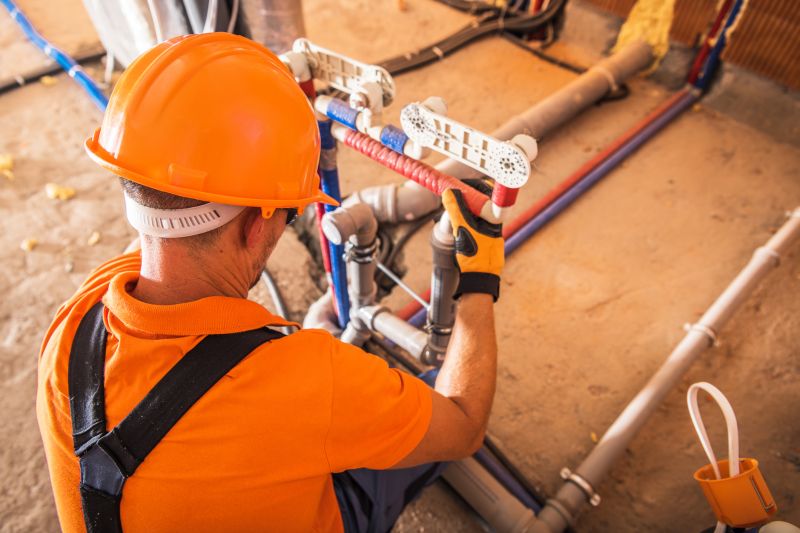
Before comparing local contractors, clearly define your plumbing project scope and verify their experience and credentials.
- Verify experience and references for plumbing contractors to ensure they have relevant project history. Clearly define the scope of work and expectations in written agreements before work begins. Compare multiple service providers to assess their expertise and reputation in plumbing services. Confirm that contractors understand local building codes and plumbing standards applicable to the project. Check that the proposed work plan aligns with the specific plumbing needs and includes detailed descriptions of tasks. Ensure all project details, including materials and procedures, are documented in a comprehensive contract.
Compare local contractors, clarify project scope, verify experience, and set clear expectations in writing.
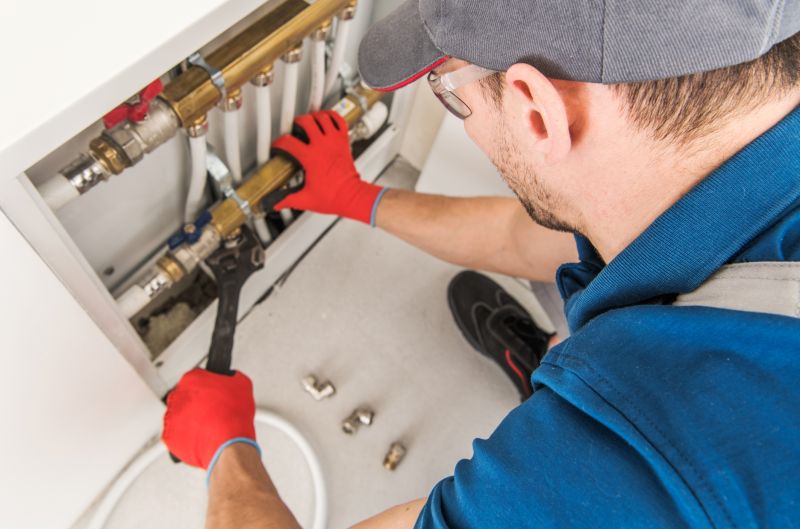



A clear scope builder helps compare contractors consistently by defining work details, verifying experience, and setting expectations in writing.
- Scope Definition - clearly outline the specific plumbing services needed, such as repairs, installations, or inspections.
- Material Specifications - specify the types and quality of materials required for the project.
- Work Details - describe the extent of work, including fixtures, piping, and any necessary modifications.
- Experience and Expertise - verify that local contractors have relevant experience for the scope of work.
- Written Expectations - ensure all project requirements and scope are documented in a detailed work agreement.
When comparing plumbing contractors, it is important to consider their experience with similar projects. Homeowners should inquire about the types of work the service providers have completed in the past, ensuring they have handled projects comparable in scope and complexity. A contractor’s familiarity with specific plumbing systems or fixtures relevant to the current needs can indicate their ability to deliver quality results efficiently. Gathering details about their previous work helps establish confidence that the contractor understands the unique requirements of the job at hand.
A clear, written scope of work is essential for setting expectations and avoiding misunderstandings. Homeowners should seek detailed descriptions of the services included, materials to be used, and the extent of the work to be performed. This documentation serves as a reference point throughout the project, ensuring both parties agree on what will be completed. A well-defined scope also helps prevent scope creep and provides a basis for evaluating the progress and completeness of the work.
Verification basics involve confirming that the service providers are legitimate and experienced in the plumbing field. Homeowners are encouraged to review the contractors’ credentials, such as references or project portfolios, and to verify their reputation within the local community. It is also helpful to check for any relevant industry recognitions or memberships that demonstrate a commitment to quality standards. These steps contribute to making an informed decision based on a contractor’s proven track record and reliability.
Evaluating options without focusing on prices involves assessing the quality of the service providers’ offerings and their ability to meet project requirements. Homeowners should compare the scope of work, experience, and communication clarity among the candidates. Asking detailed questions about their approach to the project, timeline expectations, and how they handle unforeseen issues can reveal their professionalism and transparency. Gathering this information helps identify service providers who are best equipped to deliver the desired results, fostering confidence in the selection process.
Ask contractors to provide written scope details to ensure clear expectations and consistent project understanding.
- Experience and Expertise - What specific plumbing services have local contractors provided similar to your project?
- Scope of Work - How clearly do contractors define the work included and any potential exclusions?
- Project Expectations - Do contractors outline the necessary work steps and materials in writing for clarity?
- Communication and Clarification - How do local service providers handle questions to ensure mutual understanding of the project scope?
- References and Past Work - Can contractors provide examples or references that demonstrate their experience with comparable plumbing projects?
How can I compare plumbing contractors effectively? To compare local contractors, review their experience, services offered, and customer feedback. Ensure they provide clear descriptions of their scope of work and verify their reputation through references or reviews.
What should I consider when defining the scope of a plumbing project? Clearly outline the specific plumbing tasks needed, including fixtures, repairs, or installations. Providing detailed information helps contractors understand the project and set accurate expectations.
How can I verify a contractor’s experience in plumbing? Ask service providers about their background, years of experience, and types of projects they have completed. Request references or examples of similar work to assess their expertise.
Why is it important to have the scope of work in writing? Having the scope documented ensures both parties agree on the work to be performed, helps prevent misunderstandings, and provides a basis for any future clarifications or disputes.
What questions should I ask a plumbing contractor during the selection process? Inquire about their experience with similar projects, the materials they plan to use, and how they handle unexpected issues. Clarify what is included in their scope of work and request a detailed description.
How can I ensure that a contractor’s work meets my expectations? Define your project scope clearly in writing, ask for detailed descriptions of services, and verify their experience. Maintaining open communication throughout the process helps align expectations.
This page has highlighted the importance of understanding your plumbing needs, clearly defining the scope of work, and verifying the experience of local contractors. It’s essential to compare options carefully and ensure expectations are set in writing to find the right service providers for your project. Using the quote form can help you gather information and make informed decisions by connecting with qualified local contractors.
Taking the time to evaluate and compare different service providers can lead to a smoother process and better results. The quote form provides a simple way to explore available options and get the details you need to choose the best plumbing contractors for your specific requirements.